The Dual Frontier: A Retailer's Framework for Agentic Commerce
Commerce is moving upstream. AI agents are reshaping discovery before the first click.

Enter your info to get the report
Win Where They Browse. Win Where They Buy.
The Dual Frontier Strategy Retailers need to perform on their own properties and inside agent ecosystems like ChatGPT, Gemini, and Perplexity simultaneously. Onsite is where you control the experience and hold data no one else has.
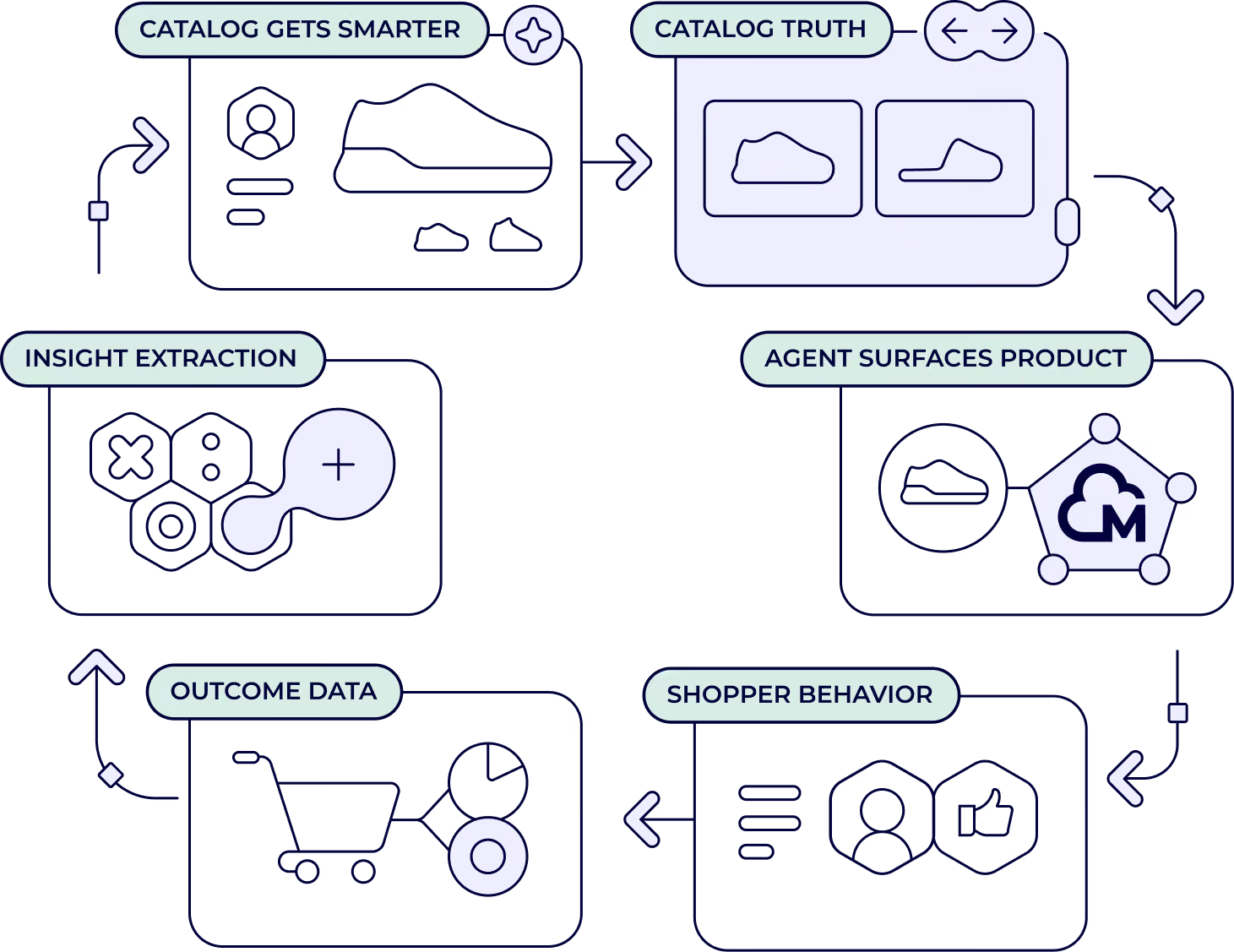
Offsite is where consideration sets form before shoppers reach your site. Agent traffic patterns reveal what shoppers actually ask for, refining what you prioritize onsite; onsite outcomes feed the signals that make offsite recommendations sharper. The two surfaces make each other better.
Your Catalog Is Your Bid
Catalog Quality Determines Agent Visibility
Poor catalog data used to mean lower conversion. In an agentic world, it degrades how confidently agents recommend you.
Agents reason over structured attributes;
sparse or stale listings don't necessarily disqualify you, but they give the agent less to work with, weaker confidence, vaguer recommendations, and a higher chance a competitor with richer data gets the nod.
The Signal Agents Will Never Have
Outcome Data as Competitive Separation
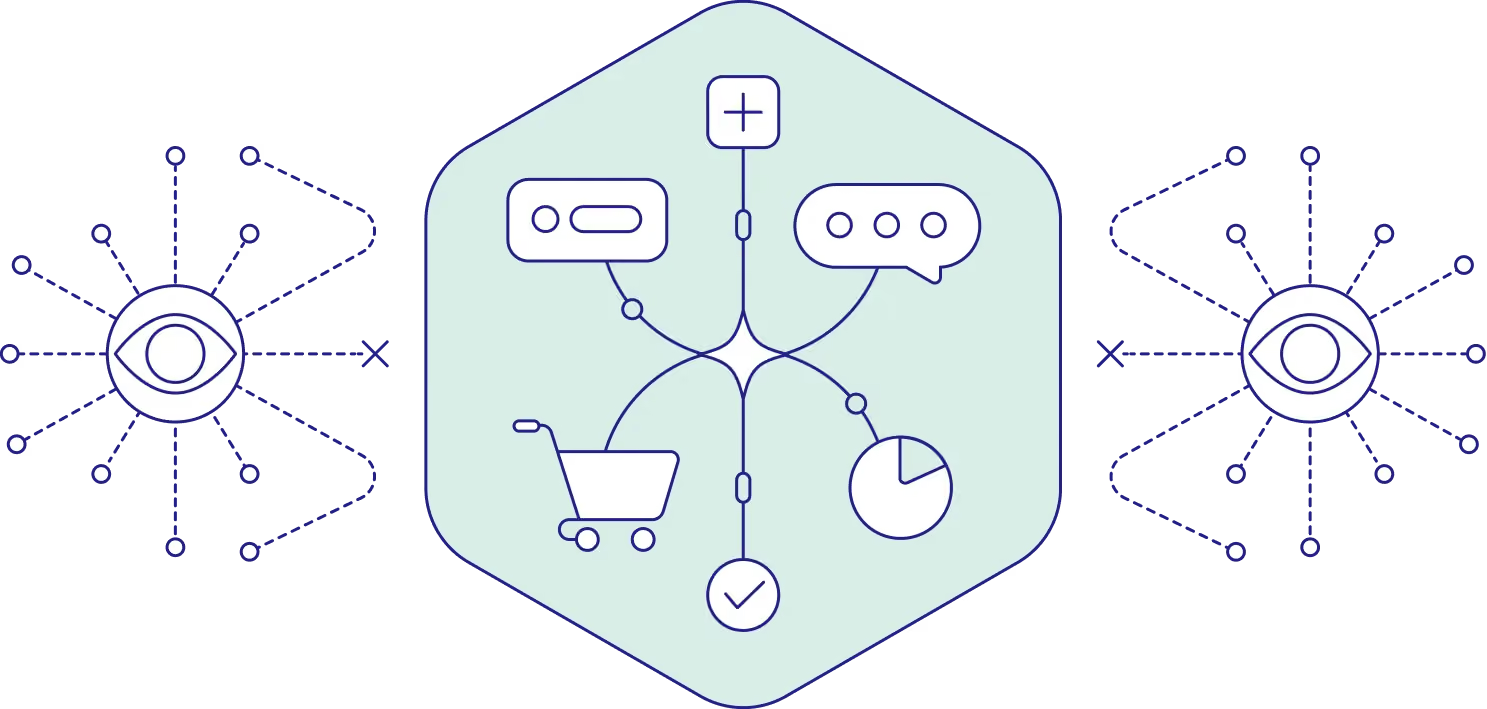
Returns, support tickets, post-purchase behavioral patterns are signals that external AI agents will never access.
A general-purpose model can recommend the highest-rated running shoe; only a retailer knows it gets returned at 2x the category average because it runs narrow. That knowledge compounds.
The Window Is Open. For Now.
The Learning Window is Closing
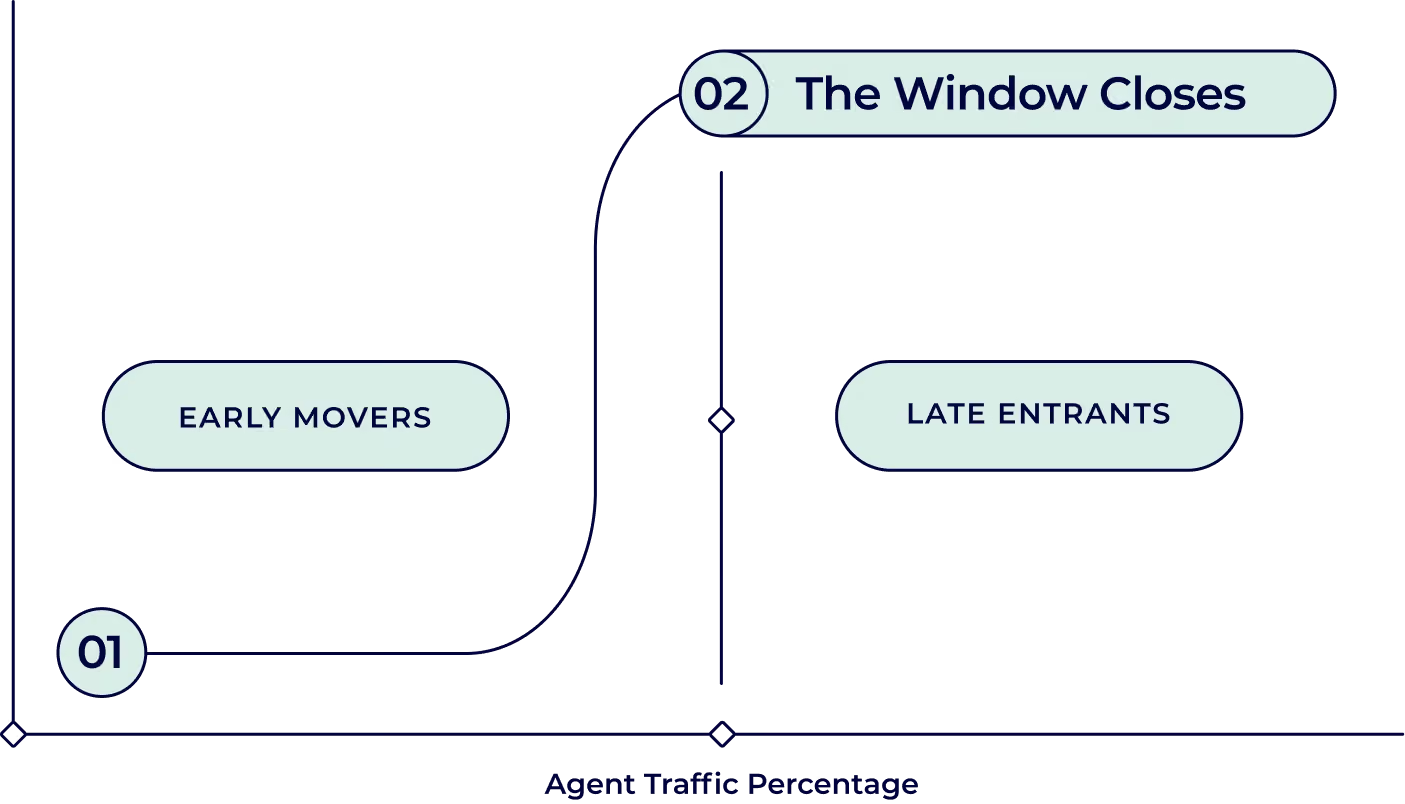
By the time agent traffic reaches 10–15% of sessions, early movers will have run dozens of optimization cycles on what predicts conversion and earns trust. Those defaults harden. Late entrants won't just trail on performance; they'll be subsidizing the learning that already shaped the market against them.
One Stack. Every Moment of Decision.
Agents and Ad Serving Belong on the Same Infrastructure
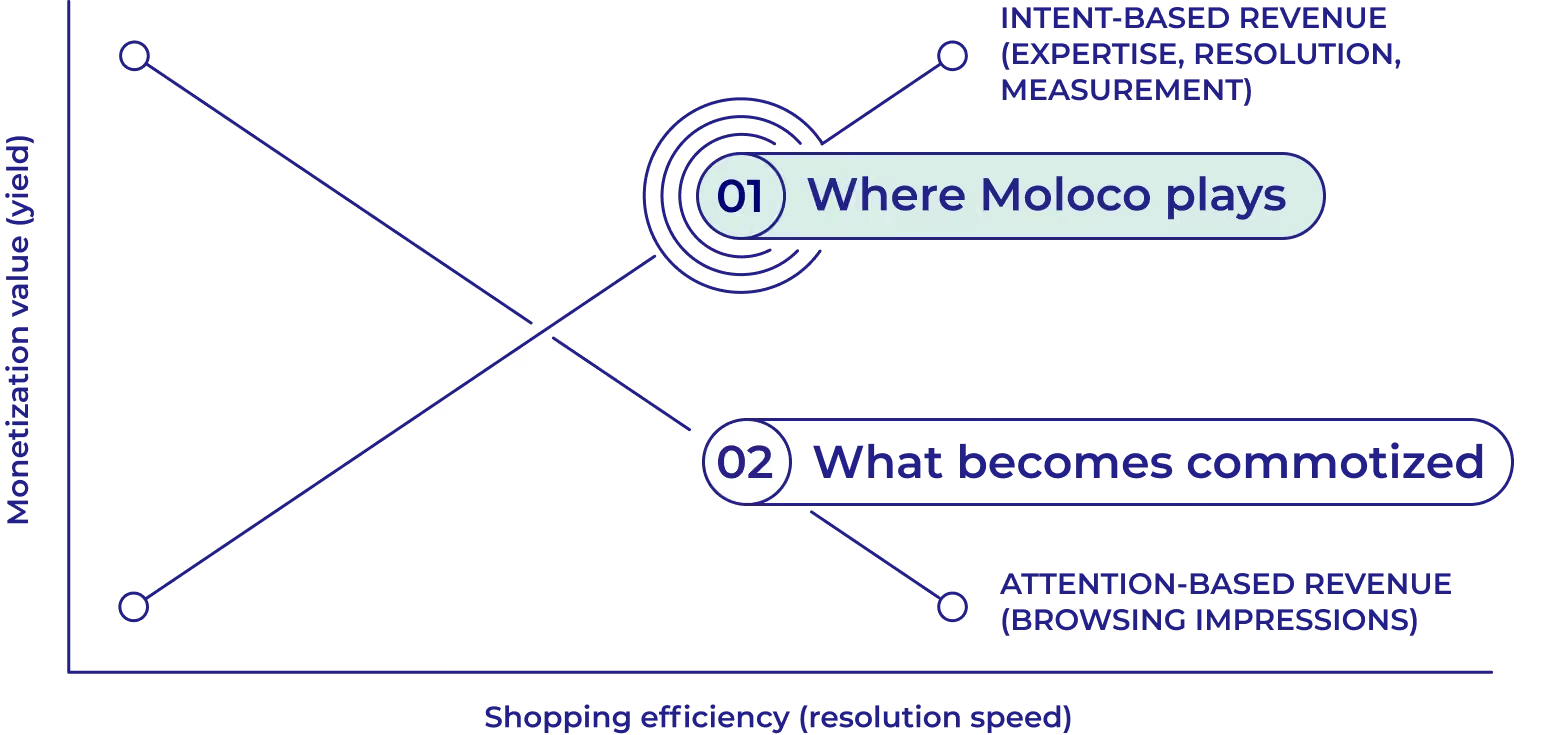
Agent commerce compresses sessions, which breaks monetization models built on impression volume. The response inside chat needs to be ad-aware: sponsored products surfaced at the moment of decision, priced on outcomes not page views. That's how RMN revenue grows as sessions shrink.
The learning compounds in both directions: ad models get richer from conversational intent signals clickstreams never captured; chat recommendations improve from conversion and return data already flowing through the ad stack. Separate systems forfeit both.
Insights & Resources
Beyond Borders - Mobile Gaming Insights for Global Growth
Valuable users can be found in unexpected places. For many mobile gaming marketers, it can feel comfortable to focus on familiar regions where they may have seen success in the past. However, new research suggests that stepping outside of the comfort zone can offer marketers an opportunity to rethink user acquisition strategies and unlock incremental growth.

Inside a mobile game’s first year
An analysis of 55 mobile game launches, representing $1.5B in IAP revenue and more than 20M players, reveals what separates breakout titles from the rest. Discover how their strategies evolve throughout the first year, from creative testing to bid strategy.