

広告主のパフォーマンス向上こそがA2Gの成長の源です
Moloco Commerce Mediaは、高意欲な検索からブランドスポンサーシップまで、ファネルのあらゆる段階で広告主のキャンペーン成果を最大化します。広告主が成果を実感すれば予算は拡大し、予算が拡大すれば貴社のA2Gも成長します。







広告収益の成長
MCM利用開始から最初の4週間と比較して、大半の顧客がGMVに対する広告収益の割合(A2G)を2倍以上に伸ばしています。ⓘ
広告主のパフォーマンス
スポンサープロダクト広告のROAS。2026年第1四半期におけるスポンサープロダクト広告の平均広告費用対効果(ROAS)。 ⓘ
広告主の導入状況
広告を1つ以上運用している対象セラーの数は、ローンチから1年以内に2倍に増加しました。ⓘ
大手小売企業やマーケットプレイスの
コマースメディアを支援

概念実証(POC)期間中、ベースラインと比較してディスプレイ広告のクリック率(CTR)が30%向上ⓘ
「Wayfairには、数百万点に及ぶ商品カタログ全体でリアルタイムのパーソナライゼーションを実現し、サプライヤーの広告費用対効果(ROAS)を最大化できる広告テクノロジーパートナーが必要でした。Molocoの機械学習プラットフォームはその基準を満たし、初期のPOCテストではディスプレイ広告のクリック率(CTR)が30%向上し、当社のインフラ上で数千ものサプライヤーキャンペーンを効果的に拡大することができました。」

導入後6ヶ月でROAS(広告費用対効果)が平均1,000%以上向上ⓘ
「以前は広告参入のハードルが高く、成果の測定も困難でした。Molocoコマースメディアを導入してからは、CPO(注文獲得単価)ベースのモデルとAIによる自動最適化によって、それらの課題を完全に解決できました。セルフサーブ型広告を利用する加盟店の70%がわずか1年で本プラットフォームを採用したという事実は、私たちのエコシステム全体が大きく変革したことを物語っています。」
広告主の成長が、
あなたの広告ビジネスを成長させる
リテールメディアには「広告主は成果が出る場所に再投資し、出なければ資金を引き揚げる」という揺るぎない鉄則があります。つまり、広告ビジネスの原動力となるのは在庫数や広告枠の数、営業担当者の人数ではなく、広告主のパフォーマンスそのものです。多くの小売企業は、リテールメディアの売上構成比(A2G)が1%未満の段階からスタートします。そこから飛躍を遂げる企業は、単に広告枠を増やすようなことはしません。広告主が実施するすべてのキャンペーンで十分な成果を出し、次なる投資を正当化させることで成長を実現しているのです。ⓘ
.avif)
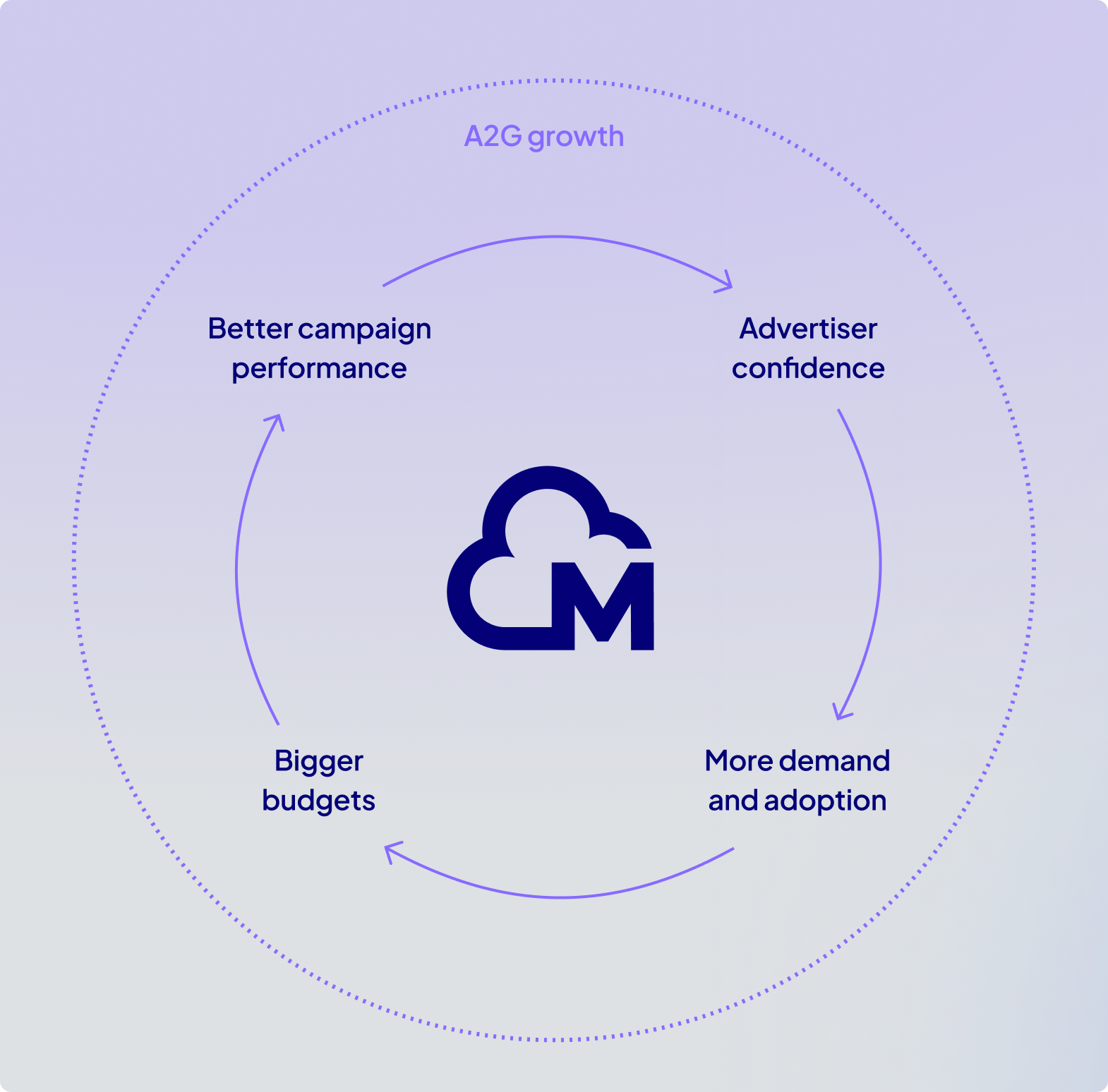
多くのリテールメディア事業は、
早い段階で成長の壁に突き当たる。
成功するプラットフォームとそうでないプラットフォームの差は、広告主が再投資する価値のある成果を得られているかどうか、その一点に尽きます。
広告主には選択肢があり、パフォーマンスを追う


広告主は、成果が証明されたチャネルに予算を配分します。プラットフォームが測定可能なROIを示せなければ、予算は他へ流れてしまいます。これは営業の問題ではなく、パフォーマンスを支えるインフラの問題です。
成果がさらなる予算を引き寄せる

多くのリテールメディアプラットフォームは、広告フォーマットの多さを売りにします。しかし、広告主が求めているのはフォーマットではなく「成果」です。スポンサープロダクト広告、スポンサーブランド広告、ディスプレイ広告があっても、それらが機能しなければ意味がありません。フォーマットは手段であり、目的は広告主からの信頼を得ることです。
適切なAIがなければ、A2Gは伸び悩む

多くのプラットフォームにおいて、A2G(広告対総流通額)は1%未満にとどまっています。成功するプラットフォームとそうでないプラットフォームの差は、在庫や広告枠の数ではなく、購買者のシグナルを広告主が測定・再投資可能な成果へと変換できる技術基盤があるかどうかにあります。ⓘ
ファネルのあらゆるステージを、
一つのプラットフォームで。
Moloco Commerce Mediaは、検索での購買意欲の獲得から、ブランド検討の促進、ブランド取引の管理まで、ファネル全体で成果を上げるための機能を広告主に提供します。すべての広告フォーマットは共通のCARA AIで運用されるため、フォーマットごとに分断されることなく、広告ビジネス全体でパフォーマンスが相乗的に向上します。
購買意欲の高いトラフィックを
広告成果に変える。
検索や閲覧の画面は、購入を検討中のユーザーが集まる、最も価値の高い広告枠の一つです。スポンサープロダクト広告は、その購買意欲を測定可能な広告成果へと変換します。従来のプラットフォームが静的なキーワードリストに基づいてクエリを照合するのに対し、MolocoのAIは行動シグナルやユーザーのコンテキストから購買意欲を予測し、クリックやコンバージョンにつながる可能性の高い商品を抽出します。関連性の高い広告は、ショッピング体験を損なうことなく、広告主に確かな成果をもたらします。
広告主は購入方法を選択できます。「目標ROAS」は設定した収益目標に合わせて配信を最適化し、「最大売上」は予算内で売上を最大化します。「固定CPC」はコストを正確にコントロールでき、コンバージョン履歴が蓄積される前でも初日から運用可能です。キャンペーンの成熟度に合わせて、手動コントロールから成果ベースの自動運用へと段階的に移行できます。
パーソナライズされた関連性の高い広告は、買い物客が求める商品との出会いをサポートします。そのため、広告パフォーマンスとショッピング体験はトレードオフの関係ではなく、共に向上させることが可能です。
2026年第1四半期、広告主はプラットフォームや業種を問わず、スポンサープロダクト広告で平均1,100%のROASを達成しました。


広告主がブランド予算を投じる理由を創出。
広告主が貴社のプラットフォームで成果を実感し始めると、次はブランド認知や検討を目的とした、より大規模な予算が投じられるようになります。こうした予算は、リーチと実績を両立できるチャネルに集まります。「Sponsored Brands」および「Sponsored Display」は、検索結果を超えて広告主の存在感を高めます。スポンサープロダクトを支えるAIと同じ技術を活用しているため、買い物客一人ひとりに最適なブランド広告を表示できます。
視認性の高いサイト内各所にディスプレイ広告やブランド広告枠を配置。CPC(クリック課金)またはCPM(インプレッション課金)で利用でき、買い物客が閲覧しているその場所で、検討を促す広告を展開できます。
貴社プラットフォーム独自の行動シグナルに基づいたオーディエンス・ターゲティング。実際の閲覧・購買データから導き出された、貴社にしか構築できないセグメントを提供します。
キーワードおよびプレースメントターゲティングにより、上級広告主や代理店が既存のリテールメディアチャネルに求める詳細なコントロールが可能になります。これにより、既存の戦略や予算を貴社のプラットフォームへ移行する際の障壁が低減されます。
直接販売ビジネスを同一のエンジンに統合。
大手ブランドとの取引は、セルフサービスのオークションではなく、掲載枠を確約するインサーションオーダー(発注書)を通じて行われます。「Reserved Display」は、こうした取引をオークション需要と同じプラットフォームに統合します。インプレッション保証型の購入、期間保証型(CPT)のスポンサーシップ、そして成果報酬型キャンペーンを、共通のインフラと測定指標のもとで一元管理できます。
四半期先を見据えたブランド向けに、インプレッション保証型および期間保証型(CPT)の購入枠を提供し、確実な成果をお約束します。
広告営業チームによるスポンサーシップ販売と、ロングテール層向けのセルフサービス型パフォーマンスキャンペーン。これらすべてが、共通のインフラ、測定機能、管理ツール上で運用されます。
CPC、CPM、成果報酬型(pay-per-order)、CPTといったコストタイプに対応。すべての取引を一つの型に当てはめるのではなく、広告主に最適な商用モデルを選択できます。


成果が検証できる場所にこそ、洗練された予算が投じられます。
Moloco Commerce Mediaは、インプレッションから購入までのループを完結させます。設定可能な期間でのSKUレベルのアトリビューション、広告主のカタログ全体における直接および合計ROAS、そしてバイヤーが実際に計画を立てる際に使用するディメンションでのレポートを提供します。さらに高度な分析を求めるプラットフォームやブランド向けには、ホールドアウトベースのインクリメンタリティ(増分効果)フレームワークにより、プラットフォームと広告主双方にとっての広告効果を定量化できます。
アイテムレベルでのアトリビューション(直接コンバージョンおよび同一アカウント内での波及購入)により、ブランド側の分析チームによる検証にも耐えうるROASを実現します。
インプレッション、クリック、購入の事前予測に加え、予算やターゲットに関するガイダンスを提供することで、設定の放棄やキャンペーンの誤設定を防ぎます。
SKU、キャンペーン、オーディエンス、期間など、広告主が実際に計画を立てる際に使用するディメンションでレポートを細分化。これにより、「信頼してください」という説明から「データが示す通りです」という根拠に基づいた対話が可能になります。
すべてのフォーマットが同一のインテリジェンスによって駆動されるため、あらゆる形式でパフォーマンスが向上します。
上記の機能は個別の製品を組み合わせたものではなく、お客様独自のデータで学習する単一のAIシステム上で動作します。専用モデルは2時間ごとに更新され、実際の成果から学習することで、変化する買い物客の行動に合わせて精度を維持します。システムはプラットフォーム全体で1日あたり1,900億回以上のリアルタイム予測を行い、100ms未満のp95レイテンシでパーソナライズされた広告を配信します。読み込み速度を犠牲にすることなく収益化が可能です。また、すべてファーストパーティデータに基づいて構築されているため、サードパーティCookieや他社とのデータ共有はなく、お客様のデータはお客様のためだけに活用されます。
AIがキーワードターゲティング、商品選定、入札管理、キャンペーン最適化を自動化し、手動介入なしで継続的に実行します。カタログの変更、新カテゴリーの立ち上げ、季節変動にもシステムが自動的に適応します。
広告品質アルゴリズムが、可能な限り実効入札額を引き下げ、関連性の低い広告を抑制し、検索結果から精度の低いマッチングを除外します。これにより、収益を伸ばしながら、その収益の源であるショッピング体験を保護します。
インフラストラクチャは、在庫の増加、カタログの拡大、トラフィックの急増(高並行イベントを含む)に合わせて自動的にスケールするため、手動での管理は不要です。
よくある質問
スポンサープロダクト広告、スポンサーブランド広告、スポンサーディスプレイ広告、および予約型ディスプレイ広告(インプレッション保証や期間保証型のスポンサーシップを含む)に対応しています。広告フォーマットは画像と動画の両方のクリエイティブをサポートしています。多くのプラットフォームでは、まずスポンサープロダクト広告から始めて広告主の信頼を獲得し、需要の拡大に合わせてミドルファネルやアッパーファネル向けのフォーマットを追加していくことで、新たな広告予算層を開拓しています。
従来のプラットフォームは、静的なキーワードリストに基づいてクエリを照合し、キャンペーン設定の調整には手動での入力や介入が必要でした。MolocoのAIは、行動シグナルや購買者のコンテキストから購買意欲を予測し、成果ベースの入札(目標ROAS、最大売上など)によって、広告主が真に求める目標に向けて配信を最適化します。実質的な違いは、広告主が入札シートを管理するのではなく、ビジネスの成果を管理できる点にあります。
はい。広告主がキャンペーンの立ち上げと管理を行う一方で、ロール、権限、プロビジョニング、クリエイティブ審査を通じて、プラットフォーム側がガバナンスを維持できます。セルフサービス化により、広告運用担当者の人数を増やすことなく、広告主の利用を拡大させることが可能になります。
SKU単位のレポーティング、設定可能なアトリビューション、ブランドのカタログ全体に対するダイレクトROASおよびトータルROASの算出が可能です。また、ホールドアウトベースのインクリメンタリティ(増分効果)フレームワークにより、プラットフォームおよび広告主にとっての広告効果を定量化できます。
はい。各プラットフォームのモデルは、隔離された環境内でそのプラットフォーム独自のデータのみを使用して学習されます。また、Molocoのオンサイトアーキテクチャは完全にファーストパーティデータに基づいて構築されています。
当社はデータとセキュリティを最優先事項としています。詳細については、トラストセンターおよびセキュリティとコンプライアンスのページをご覧ください。
はい。オークションインフラのみ、独自のモデルの活用、あるいはMoloco AIスタックのフル活用といった柔軟な導入オプションに加え、APIファーストの統合モデルを採用しています。そのため、プラットフォームの入れ替え、社内システムの補完、あるいは新規立ち上げなど、現在のロードマップに合わせて導入し、後から拡張していくことが可能です。
